
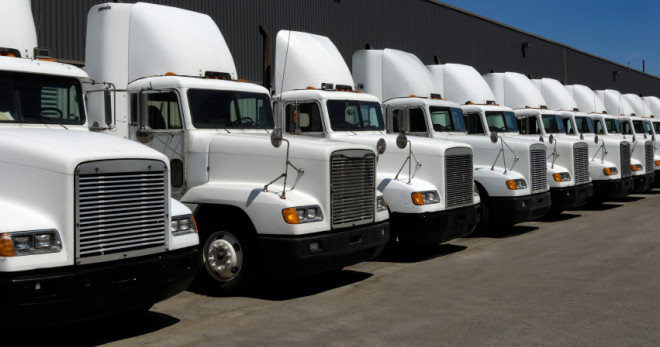
The Complete Guide to Fleet Insurance for Indianapolis Trucking Companies
If you run more than one truck out of Marion County, Hendricks County, or anywhere along the I-465 loop, you already know that Indianapolis is one of the busiest freight corridors in the Midwest. Between the Interstate 65, Interstate 70, and Interstate 74 interchanges, thousands of commercial trucks pass through our city every single day. That kind of traffic volume means opportunity for local trucking companies, but it also means real exposure to accidents, cargo loss, and costly downtime. That’s why fleet insurance is one of the most important investments an Indianapolis trucking operation can make.
At Indianapolis Commercial Truck Insurance, we work with owner-operators, growing carriers, and established trucking companies across Central Indiana every day, and one theme comes up constantly: business owners aren’t always sure how a multi-vehicle policy actually works, what it covers, or how to get the best rate without sacrificing protection. This guide walks through everything an Indianapolis trucking business needs to know, from coverage basics to Indiana-specific compliance requirements, so you can make a confident, informed decision for your company.
What Is Fleet Insurance?
Fleet insurance is a single commercial policy that covers multiple vehicles under one plan instead of insuring each truck separately. Rather than juggling five, ten, or fifty individual policies with different renewal dates and different carriers, this approach consolidates your entire operation under one master policy, one point of contact, and often one combined premium. For Indianapolis trucking companies managing box trucks, dump trucks, tractor-trailers, or a mixed fleet, this structure saves time, reduces paperwork, and typically lowers your overall cost per unit.
Coverage of this kind generally applies once a business owns or operates two or more commercial vehicles, although the exact threshold can vary by carrier. Whether you’re running a small regional fleet of three box trucks out of the Eastside or managing forty tractor-trailers based near the Indianapolis airport, this style of policy is designed to scale with your business and simplify the way you manage risk.
Why Fleet Insurance Matters in Indianapolis
Indianapolis sits at the crossroads of several major interstate systems, which is exactly why the city earned its nickname as the “Crossroads of America.” That reputation is great for logistics and freight volume, but it also means Indianapolis trucking companies face higher exposure to multi-vehicle accidents, winter weather incidents, and heavy congestion around the downtown interchange. Local operators hauling through Speedway, Plainfield, Greenwood, Fishers, and Carmel deal with a mix of urban traffic, warehouse districts, and interstate merges every single shift.
Without proper coverage in place, a single accident involving one of your trucks could put your entire operation at financial risk. A liability claim, a cargo loss, or a physical damage event can quickly outpace what a small trucking company can absorb out of pocket. This kind of coverage spreads that risk across a structured policy built specifically for commercial trucking operations, giving Indianapolis fleet owners the financial protection they need to keep trucks moving and contracts intact.
Central Indiana’s weather adds another layer to consider. Freezing rain on I-465, sudden snow squalls along US-31, and summer construction slowdowns near downtown all increase the odds of an incident during a routine run. A well-structured policy accounts for these regional realities instead of relying on generic, one-size-fits-all commercial auto terms written for a different climate entirely.
Who Needs Fleet Insurance?
This type of coverage isn’t just for the largest carriers in the state. Plenty of small and mid-sized trucking businesses throughout Indianapolis and Central Indiana benefit from switching to a fleet policy once they add a second or third truck. Businesses that typically benefit include:
- Regional trucking companies hauling freight in and out of the Indianapolis metro area
- Box truck and delivery fleets serving local businesses and distribution centers
- Dump truck operators working construction sites throughout Marion and surrounding counties
- Flatbed carriers hauling steel, lumber, or machinery along Indiana’s interstate corridors
- Tow and roadside assistance companies operating multiple trucks
- Garbage and waste collection fleets running daily routes through residential neighborhoods
- Hot shot trucking businesses expanding beyond a single pickup and trailer
- Fuel haulers and specialized carriers managing tankers across Central Indiana routes
If your Indianapolis business owns more than one commercial truck, it’s worth requesting a fleet insurance quote to compare against your current individual policies. In many cases, consolidating multiple vehicles actually reduces your total premium while improving your coverage limits and simplifying renewal season.
What Does Fleet Insurance Cover?
A well-built policy of this kind is rarely a single coverage. It’s a combination of protections layered together to address the different risks that trucking companies face on Indianapolis roads and interstates. Here’s what’s typically included.
Commercial Auto Liability
This is the foundation of nearly every commercial policy and satisfies the minimum requirements set by the Indiana DOT and the Federal Motor Carrier Safety Administration. Liability coverage pays for bodily injury and property damage that your drivers cause to others in an at-fault accident. Because Indianapolis has significant interstate and downtown traffic volume, adequate liability limits are essential for every truck under your policy.
Physical Damage Coverage
Physical damage coverage, which includes both comprehensive and collision protection, pays to repair or replace your trucks after an accident, theft, vandalism, fire, or severe weather event. Indiana winters bring ice, snow, and unpredictable road conditions, so this piece of your coverage is especially valuable for operators running routes through Central Indiana from November through March.
Motor Truck Cargo Insurance
Cargo coverage protects the freight your trucks are hauling. Whether you’re moving general freight, construction materials, or specialized loads, cargo insurance built into your policy reimburses you if freight is damaged, stolen, or lost in transit. This is a contractual requirement for most brokers and shippers working with Indianapolis-based carriers.
Non-Trucking Liability
For owner-operators leased onto another carrier’s authority, non-trucking liability fills the coverage gap during personal use of the truck when it isn’t dispatched on a load. Many Indianapolis owner-operators bundle this coverage into a broader multi-vehicle package as their business grows and adds trucks.
Additional Coverage Options
Depending on your operation, your policy can also include general liability, trailer interchange coverage, on-hook towing, workers’ compensation, umbrella coverage, and environmental or pollution liability for specialized hauling such as fuel or waste transport. A local agent can help determine exactly which endorsements make sense for your Indianapolis operation, whether you run two straight trucks or a fifty-unit tractor-trailer fleet.
Fleet Insurance and Indiana DOT Compliance
Every commercial trucking business operating in Indiana has to meet specific state and federal filing requirements, and this coverage plays a direct role in staying compliant. Depending on your operating authority, you may need:
- BOC-3 process agent filings
- MCS-90 endorsements for interstate operations
- Proof of minimum liability limits required by the FMCSA
- Certificates of Insurance for brokers, shippers, and leasing companies
An experienced Indianapolis fleet insurance agency will handle these filings on your behalf and make sure your entire fleet stays compliant as you add trucks, drivers, or new authority. This is one of the biggest advantages of working with a local provider instead of a national call center: someone who actually understands Indiana’s trucking regulations is reviewing your policy, not a script.
How Fleet Insurance Rates Are Calculated
Every Indianapolis trucking company wants the same thing: strong coverage at a fair price. Premiums for a multi-vehicle policy are calculated using a combination of factors, and understanding them can help you present your business in the best possible light to underwriters.
Number and type of vehicles. A quote will factor in how many trucks you operate, the type of equipment (box truck, dump truck, tractor-trailer, flatbed, tow truck), and the age and value of each vehicle.
Radius of operation. Local Indianapolis routes generally carry different risk profiles than long-haul interstate runs. Carriers look closely at how far your trucks travel from your home base.
Driver experience and safety record. CDL experience, driving history, and any past violations directly affect your premium. Fleets with strong safety programs and low turnover typically see better rates on their policy.
Cargo type. Hauling general freight carries different risk than hauling hazardous materials, fuel, or high-value machinery, and your premium will reflect that difference.
Claims history. A trucking company with a clean claims history will almost always receive more competitive pricing than one with frequent accidents or cargo losses.
Coverage limits and deductibles. Higher liability limits and lower deductibles increase your premium, while adjusting these numbers strategically can help balance your overall cost against your risk tolerance.
Because every Indianapolis trucking business is different, the best way to understand your real cost is to request a customized fleet insurance quote rather than relying on rough estimates found online.
Typical Fleet Insurance Cost Factors at a Glance
| Factor | How It Affects Your Premium |
|---|---|
| Fleet size | Larger fleets often unlock multi-vehicle discounts |
| Equipment type | Specialized trucks (fuel, dump, flatbed) carry different risk pricing |
| Operating radius | Local Indianapolis routes vs. long-haul interstate runs |
| Driver records | Clean CDL histories generally lower your rate |
| Claims history | Fewer past claims typically means better renewal pricing |
| Coverage limits | Higher limits and lower deductibles raise premium cost |
This table is a general guide, not a quote. Every Indianapolis policy should be priced individually based on your actual operation.
How to Reduce Your Fleet Insurance Costs
Indianapolis trucking companies can take several practical steps to lower their premiums without cutting corners on protection.
- Bundle your vehicles under one policy. Combining trucks under a single fleet insurance plan is often less expensive than insuring each one individually.
- Invest in driver training. Carriers reward fleets that maintain ongoing safety training and defensive driving programs.
- Install telematics and dash cams. Many insurers offer discounts for fleets using GPS tracking, electronic logging devices, and dash cameras that reduce accident risk and support claims.
- Maintain your equipment. Well-maintained trucks are less likely to be involved in mechanical-failure accidents, which helps keep your claims history clean.
- Review your coverage annually. As your Indianapolis fleet grows or changes, your needs change too. An annual review with your agent helps avoid overpaying for coverage you no longer need or being underinsured as you expand.
- Work with an independent agency. Because independent agents shop multiple carriers, you’re more likely to find competitive fleet insurance pricing than going direct to a single national insurer.
Choosing the Right Fleet Insurance Provider in Indianapolis
Not every insurance agency understands the trucking industry, and that gap can cost you when it’s time to file a claim. When comparing providers in Indianapolis, look for an agency that offers:
- Local market knowledge. An agent who understands Indianapolis routes, Indiana DOT requirements, and Central Indiana weather risk will structure your coverage more accurately than a generic national call center.
- Access to multiple carriers. The strongest agencies shop your policy across several top-rated insurance companies to find the best combination of price and coverage.
- Fast certificate turnaround. Brokers and shippers often require same-day Certificates of Insurance. Look for a provider that can issue COIs instantly, including online access so you can generate your own certificates as needed.
- 24/7 support. Trucking doesn’t stop at 5 p.m., and neither should your insurance agency. A partner who answers calls around the clock keeps your trucks moving even when something unexpected happens on the road.
- Specialty experience. Whether you run dump trucks, flatbeds, fuel haulers, or tow trucks, your provider should understand the specific risks tied to your equipment type, not just generic commercial auto coverage.
Fleet Insurance for Growing Indianapolis Trucking Companies
One of the most overlooked advantages of a multi-vehicle policy is scalability. As your Indianapolis trucking business adds trucks, drivers, or new authority, a properly structured policy grows with you. Instead of starting from scratch every time you purchase a new truck, most carriers allow you to add vehicles to your existing policy through a simple endorsement, often with minimal paperwork and fast turnaround.
This matters for companies scaling quickly around the Indianapolis logistics corridor, where warehouse and distribution growth near the airport and along I-70 continues to create demand for regional and local hauling capacity. A flexible policy of this kind means you can seize new contracts without waiting weeks for a new policy to be underwritten from the ground up. Companies expanding into new commodity types, such as moving from general freight into flatbed or fuel hauling, can also add specialized endorsements without abandoning the coverage they’ve already built.
Common Mistakes to Avoid
Even experienced trucking companies sometimes make avoidable mistakes when it comes to protecting their fleet. Here are a few worth watching for:
- Underinsuring cargo value. If your motor truck cargo limits don’t reflect what you’re actually hauling, a single claim could leave you covering the difference out of pocket.
- Ignoring non-trucking liability gaps. Owner-operators who lease onto multiple carriers sometimes leave coverage gaps between dispatches. A policy review can catch this before it becomes a problem.
- Choosing price over coverage quality. The cheapest fleet insurance quote isn’t always the best deal if it comes with thin liability limits or excluded endorsements you actually need.
- Failing to update the policy after adding trucks. Every vehicle added to your Indianapolis fleet needs to be reported to your carrier promptly to stay properly covered.
- Not reviewing driver lists regularly. Outdated driver rosters can slow down claims processing and create compliance issues during a DOT audit.
Working with a knowledgeable Indianapolis agency helps you avoid these pitfalls and keeps your coverage aligned with how your business actually operates day to day.
A Local Perspective: Serving Indianapolis and Central Indiana
Being based in downtown Indianapolis, near Illinois Street, means our team sees the same traffic patterns, weather swings, and freight demand our clients navigate every day. We’re not reading about I-465 congestion in a report; we’re driving past it. That local perspective shapes how we structure fleet insurance for clients across Marion, Hendricks, Hamilton, Johnson, and Boone counties. From short regional runs feeding Indianapolis warehouses to longer interstate hauls headed out through Ohio, Illinois, or Kentucky, we build coverage around how your trucks actually operate rather than a generic template pulled from a national underwriting manual.
We also understand that trucking businesses in Central Indiana range widely in size and specialty. A three-truck box truck operation delivering to Indianapolis retailers has very different needs than a fifteen-truck flatbed carrier hauling steel through the industrial corridors near the rail yards. Coverage built by someone who understands both ends of that spectrum tends to hold up better when a claim actually happens.
Seasonal demand also plays a role in how we advise clients. Construction-heavy operators tend to add trucks in spring and summer as jobsite activity ramps up around Marion and Hamilton counties, while regional carriers often see freight volume climb heading into the holiday season. Planning ahead for these predictable swings makes it easier to add equipment, adjust coverage limits, and avoid gaps in protection right when your business needs it most. A local agent who tracks these patterns can flag renewal timing issues before they become a problem, rather than leaving you to sort it out mid-season.
We also encourage clients to loop us in early when bidding on larger freight contracts, since many agreements specify exact liability minimums and documentation timelines that are easier to satisfy with advance planning than a last-minute scramble.
Frequently Asked Questions About Fleet Insurance in Indianapolis
How many trucks do I need before fleet insurance makes sense? Most carriers consider two or more commercial vehicles enough to qualify, though the savings and simplified management usually become most noticeable once you reach three to five trucks.
Does fleet insurance cost less than insuring trucks individually? In many cases, yes. Consolidating vehicles under one policy often reduces administrative costs and can qualify your business for multi-vehicle discounts that aren’t available on standalone policies.
Can I add a new truck to my existing fleet insurance policy? Yes. Most Indianapolis providers allow you to add vehicles through a policy endorsement, usually without needing to restart the entire underwriting process.
Is fleet insurance required by Indiana DOT? Indiana doesn’t have a separate mandate specifically labeled “fleet insurance,” but every commercial vehicle in your fleet must independently meet Indiana DOT and FMCSA minimum liability requirements. This style of policy is simply the most efficient way to manage that compliance across multiple trucks at once.
What’s the difference between fleet insurance and standard commercial auto insurance? Standard commercial auto insurance typically covers a single vehicle or a small handful of vehicles. This type of policy is purpose-built for businesses managing multiple trucks and often includes broader endorsements, streamlined COI issuance, and pricing structures designed for larger operations.
How quickly can I get a Certificate of Insurance for my fleet? Many Indianapolis agencies, including ours, offer instant online access so you can generate your own Certificate of Insurance the moment a broker or shipper requests one, without waiting on a callback.
Get a Fleet Insurance Quote in Indianapolis Today
Fleet insurance isn’t just a compliance checkbox. It’s the financial backbone that keeps your Indianapolis trucking company protected, competitive, and ready to grow. Whether you’re running three box trucks out of the Eastside or managing a growing tractor-trailer operation near the airport, the right policy gives you the coverage, flexibility, and local support you need to keep your wheels turning.
At Indianapolis Commercial Truck Insurance, we specialize in building fleet insurance policies for owner-operators and trucking companies throughout Marion County and Central Indiana. We shop top-rated carriers on your behalf, handle your DOT filings, and offer instant Certificate of Insurance access so you’re never stuck waiting on paperwork. If you’re ready to compare your current coverage or start a new policy, call us today at (317) 365-1439 or request a fast online quote. Our team is based right here in Indianapolis, and we’re ready to help your fleet stay protected on every mile.
Get a quote today! Contact us here!
