
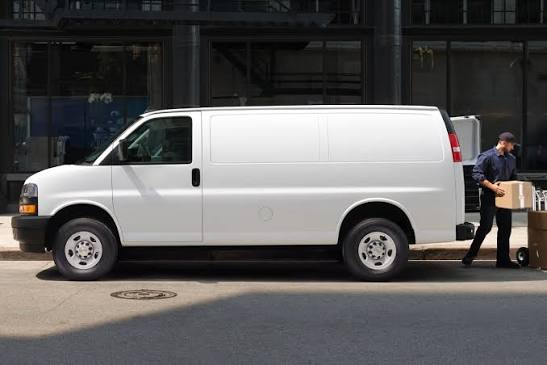
Cargo Van Insurance in Indianapolis, IN: The Complete Guide for Owner-Operators, Couriers & Trade Businesses
If you run a cargo van in Indianapolis — whether you’re making last-mile delivery runs through Broad Ripple, hauling HVAC parts across Fishers, or shuttling medical supplies between hospitals downtown — a personal auto policy isn’t going to protect you. That is why Cargo Van Insurance is necessary! Cargo vans occupy a strange middle ground in the insurance world. They’re not quite a semi-truck, but they’re not a personal vehicle either, and that gap is exactly where a lot of Indianapolis van operators get underinsured without realizing it.
This guide breaks down exactly what cargo van insurance covers, what it costs, what Indiana and Marion County regulations require, and how to buy the right policy the first time — written specifically for the roads, weather, and business climate of Indianapolis. We are your cargo van insurance experts.
Why Indianapolis Has Become a Cargo Van Hotspot
Indianapolis sits at the crossroads of I-65, I-69, I-70, and I-74, all wrapped by the I-465 beltway — which is exactly why the region has become one of the busiest logistics and last-mile delivery hubs in the Midwest. FedEx’s massive Indianapolis hub, Amazon’s delivery stations along the outer loop, and a dense concentration of regional distribution centers near the airport have created steady demand for cargo van drivers, whether they’re driving for a gig platform, a regional courier company, or their own independent delivery business.
At the same time, Indianapolis’s service economy — plumbers, electricians, HVAC techs, cleaning companies, mobile mechanics, caterers, florists, and medical courier services — relies on cargo vans every single day to move tools, parts, and product across Marion County and into surrounding areas like Carmel, Fishers, Greenwood, Avon, Plainfield, and Noblesville.
Whether your van is a rolling delivery unit or a mobile workshop, the cargo van insurance conversation is the same: you need coverage built for commercial use, not a policy designed for a family minivan.
Cargo Van Insurance vs. Personal Auto: Why the Difference Matters
A standard personal auto insurance policy typically excludes any vehicle used primarily for business — and most insurers define “business use” broadly enough to include regular delivery routes, hauling paid cargo, or driving for a courier platform. That means if you’re in an accident while running a delivery in Speedway or hauling equipment to a job site in Lawrence, a personal policy can flatly deny the claim, leaving you responsible for the other driver’s damages, your own vehicle repairs, and potentially a lawsuit — out of pocket.
Commercial cargo van insurance closes that gap. It’s underwritten specifically for vehicles that are on the road for income-generating purposes, and it accounts for the added exposure that comes with it: more time on the road, more stops, more cargo value at risk, and often other people’s property or product riding in the back.
Who Needs Cargo Van Insurance in Indianapolis?
If any of the following describes your business, you need a commercial cargo van insurance policy rather than a personal auto policy:
- Last-mile and courier delivery drivers running routes for Amazon DSPs, regional couriers, medical courier services, or independent delivery contracts throughout Marion County
- HVAC, plumbing, and electrical contractors who use a van to haul tools, parts, and equipment between job sites in Indianapolis, Carmel, Fishers, and Greenwood
- Cleaning and janitorial companies transporting supplies and equipment to commercial accounts downtown or in the suburbs
- Mobile mechanics and mobile detailing businesses driving to customer locations
- Catering companies and florists delivering time-sensitive, often high-value cargo
- Locksmiths, glass repair techs, and other trade services running a fully stocked van as a mobile shop
- Small moving and hauling companies operating box-style cargo vans for local moves
If your van has your business name on the side, carries tools or product that isn’t yours to lose, or logs regular commercial mileage, insurers will classify it as commercial — and you should insure it that way before a claim forces the issue. These are all eligible for cargo van insurance.
What a Cargo Van Insurance Policy in Indianapolis Should Include
A properly structured cargo van insurance policy is built from several coverage pieces, and depending on how you operate, you may need all of them or just a few.
Commercial Auto Liability Insurance
This is the foundation of any cargo van insurance policy and typically required before you can legally operate. It covers bodily injury and property damage you cause to others in an at-fault accident. Indiana requires commercial vehicles to carry minimum liability limits, but those state minimums are usually far too low for a real accident involving a cargo van full of tools, product, or a full delivery load — especially on high-speed corridors like I-465 or I-70 through downtown. Most Indianapolis van operators carry $500,000 to $1,000,000 in combined liability limits, and higher if they contract with larger companies or platforms that set their own minimum requirements.
Physical Damage Coverage (Comprehensive & Collision)
This pays to repair or replace your own van after a collision, theft, vandalism, fire, or weather event — a real consideration in Indianapolis given winter ice storms and the occasional severe spring hailstorm. If your van is financed or leased, physical damage coverage is almost always required by the lender. Many cargo van insurance policies are actual cash value, so ask your agent how much the coverage will be.
Motor Truck Cargo Insurance
If you’re hauling freight, product, or equipment that belongs to someone else — deliveries, courier packages, client equipment — cargo coverage protects that freight if it’s damaged, stolen, or lost in transit. Delivery contractors working with regional carriers or logistics companies are often contractually required to carry this.
Non-Trucking Liability (Bobtail Coverage)
If you lease onto a motor carrier and only need coverage when you’re driving the van for personal use or between dispatched loads, non-trucking liability fills that gap without paying for full-time commercial coverage you don’t need during off-duty hours.
General Liability Insurance
For trade businesses and delivery companies that interact with customers, property, or job sites — general liability protects against claims not tied to a vehicle accident, like property damage while making a delivery or an injury that happens on a customer’s premises.
Hired and Non-Owned Auto Insurance
If your business has multiple drivers using personal vehicles for company errands or deliveries in a pinch, this coverage extends liability protection to those situations.
Workers’ Compensation
If you have employees driving vans for your business — even one or two — Indiana law generally requires workers’ compensation coverage to protect them (and you) in the event of an on-the-job injury.
Indiana & Indianapolis Compliance Considerations
Indianapolis-based cargo van operators need to be aware of a few local and state-level compliance points:
- USDOT Number Requirements: If your cargo van is used in interstate commerce and meets certain weight or passenger thresholds, or if you’re hauling hazardous materials regardless of size, you may need a USDOT number through the Federal Motor Carrier Safety Administration. Many local delivery and trade vans operating strictly within Indiana may not need one, but it depends on your specific operation — this is worth confirming before you’re on the road.
- Indiana Financial Responsibility Requirements: Indiana sets minimum liability limits for vehicles operating commercially, and business use typically triggers higher requirements than personal auto minimums.
- BMV Registration as a Commercial Vehicle: Vans used for business purposes generally need to be registered accordingly with the Indiana BMV, which insurers will verify when underwriting a commercial policy.
- Certificates of Insurance (COI): If you’re contracting with a logistics company, property management firm, general contractor, or delivery platform anywhere in the Indianapolis metro, you’ll almost always be asked to provide a COI showing specific coverage types and limits before you can start hauling for them.
What Affects Cargo Van Insurance Rates in Indianapolis
Insurance carriers price cargo van insurance policies based on a mix of factors, and understanding them helps you know where you have some control over your premium:
Garaging location. Where your van is parked overnight matters. A van garaged in a higher-traffic, higher-claims ZIP code near downtown Indianapolis or along the I-465/I-70 interchange may see different pricing than one garaged in a lower-density suburb like Zionsville or Greenwood.
Radius of operation. Vans that stay local — within Marion County and the immediate collar counties — are typically priced more favorably than those running long interstate routes, since more time on unfamiliar highways generally means more exposure.
Cargo value and type. Hauling $500 in tools is a very different risk profile than hauling $50,000 in electronics or medical equipment, and your cargo coverage limits should reflect what’s actually riding in the van.
Driving history and experience. Clean MVRs (motor vehicle records) and years of commercial driving experience both bring rates down. New operators or those with recent violations or at-fault accidents will see higher premiums.
Vehicle age, size, and safety features. Newer vans with backup cameras, lane-assist, and telematics-friendly systems can qualify for better rates than older, unequipped models.
Number of vans and drivers. Solo owner-operators are underwritten differently than a small fleet of three or four vans with multiple drivers — fleet policies often unlock better per-unit pricing as the group grows.
Claims history. Prior claims, whether cargo, liability, or physical damage, follow the business (or the individual operator) and directly affect renewal pricing.
Local Risk Factors Worth Planning For
Indianapolis drivers face a specific mix of road conditions and traffic patterns that make the right coverage — and the right limits — especially important:
- Winter ice and snow on I-465, I-65, and I-70 create real accident risk from November through March, and cargo vans with a high center of gravity and often uneven loads can be more prone to skidding or rollover in icy conditions.
- Dense downtown and Mass Ave/Fountain Square delivery routes mean frequent stopping, double-parking, and close-quarters maneuvering — all common points of minor collision and cargo damage claims.
- Construction and lane closures around the I-465 beltway and I-69/I-465 interchange are near-constant, increasing the odds of rear-end and lane-change accidents during high-volume delivery windows.
- High-traffic retail and logistics corridors near Keystone at the Crossing, the airport logistics parks, and the outer-loop distribution centers see heavy van and truck volume during peak delivery hours, raising the odds of a fender-bender during a tight delivery schedule.
None of this means cargo van work in Indianapolis is unusually risky — it just means the policy behind your van should be built with these realities in mind, not a generic template.
How to Get the Best Cargo Van Insurance Rate in Indianapolis
- Bundle coverage types with one carrier where possible. Combining liability, physical damage, and cargo coverage often earns a multi-line discount versus piecing policies together separately.
- Install a dash cam and telematics device. Many carriers offer usage-based discounts for verified safe driving data, which can meaningfully lower premiums over time.
- Set cargo limits accurately — not just conservatively. Underinsuring cargo to save a few dollars a month can leave you covering a major loss out of pocket; overinsuring wastes premium. An agent who knows the freight you carry can dial this in correctly.
- Maintain a clean MVR. Avoiding preventable violations and accidents is the single biggest lever you control long-term.
- Review your policy annually as your business grows. Adding a second van, a new driver, or a new type of cargo changes your risk profile — and your policy should be updated to match, not left on autopilot.
- Work with a local independent agent who shops multiple carriers. Rather than getting one quote from one company, an independent agency can compare several A-rated carriers at once and match your specific operation — delivery, trade, or courier — to the carrier that prices that risk most competitively.
Why Work With a Local Indianapolis Agency Instead of a National Call Center
Cargo van insurance isn’t one-size-fits-all, and a national online quote tool often defaults to generic assumptions about your business. A local Indianapolis agency understands the difference between a solo courier running Broad Ripple and Fountain Square delivery routes and a five-van HVAC company covering Marion, Hamilton, and Johnson counties — and can structure coverage, limits, and carrier selection accordingly.
At Indianapolis Commercial Truck Insurance, we work with multiple top-rated carriers to shop your cargo van insurance policy across the market rather than locking you into a single company’s pricing. We understand Indiana DOT and BMV requirements, we can issue instant Certificates of Insurance when a client or platform needs proof of coverage on short notice, and we’re available to answer questions as your business changes — not just at renewal time.
We provide cargo van insurance alongside our full range of commercial trucking insurance for owner-operators and fleets across Indianapolis, Marion County, and Central Indiana, including box trucks, business auto, flatbeds, hot shot rigs, and tractor-trailers — so as your business grows from a single van into a small fleet, your coverage can grow with it under one agency relationship.
Frequently Asked Questions About Cargo Van Insurance in Indianapolis
Does my personal auto insurance cover my cargo van if I only deliver part-time? Usually not. Most personal auto policies exclude business use entirely, and “part-time” delivery work — including gig platform driving — is still commercial use in the eyes of most insurers. A claim made while delivering, even occasionally, can be denied under a personal policy.
How much does cargo van insurance cost in Indianapolis? Rates vary widely based on driving history, cargo value, radius of operation, and coverage limits, which is why getting a quote based on your actual operation matters more than a generic online estimate. The best way to know your real number is a quote built around your specific van, route, and cargo.
Do I need a USDOT number to operate a cargo van in Indiana? It depends on your cargo weight, whether you cross state lines, and whether you haul hazardous materials. Many strictly local Indianapolis delivery and trade vans don’t require one, but it’s worth confirming based on your specific operation before assuming either way.
Can I get coverage if I drive for a delivery platform and also use the van for personal errands? Yes — this is a common situation, and it’s typically addressed through a commercial policy paired with non-trucking liability or a clearly defined “business use” endorsement, so you’re covered whether you’re on a paid run or off duty. Cargo van insurance can be used for both business and personal.
What’s the difference between cargo insurance and general liability for a delivery van? Cargo insurance protects the freight or product you’re transporting if it’s lost, stolen, or damaged. General liability protects against claims unrelated to the cargo itself — like property damage or injury that happens while making a delivery. Most active delivery and trade businesses need both for your cargo van insurance policy/
How fast can I get a Certificate of Insurance for a new contract? With the right agency, same-day or even instant COI issuance is possible — which matters when a logistics company or general contractor needs proof of coverage before you can start a job.
Get a Cargo Van Insurance Quote in Indianapolis Today
If you’re running deliveries through downtown Indianapolis, servicing customers across Fishers and Carmel, or building out a small fleet of trade vans across Marion County, the right policy protects your vehicle, your cargo, and your livelihood — and the wrong one can leave you exposed at the worst possible moment. Get a cargo van insurance quote with us.
