
The New Trucking Company’s Guide to Indiana Commercial Trucking Insurance
Starting a trucking business in Indiana is exciting, but it also comes with a mountain of paperwork, permits, and decisions — and few of those decisions matter more than choosing the right Indiana commercial trucking insurance. If you’re a new owner-operator in Indianapolis, a small fleet just getting off the ground in Fort Wayne, or a startup carrier working out of a warehouse near I-70, understanding how this kind of policy works can save you thousands of dollars and protect your authority from day one. This guide breaks down everything a new trucking company needs to know before buying a policy, so you can hit the road with confidence instead of confusion.
Why Indiana Commercial Trucking Insurance Matters From Day One
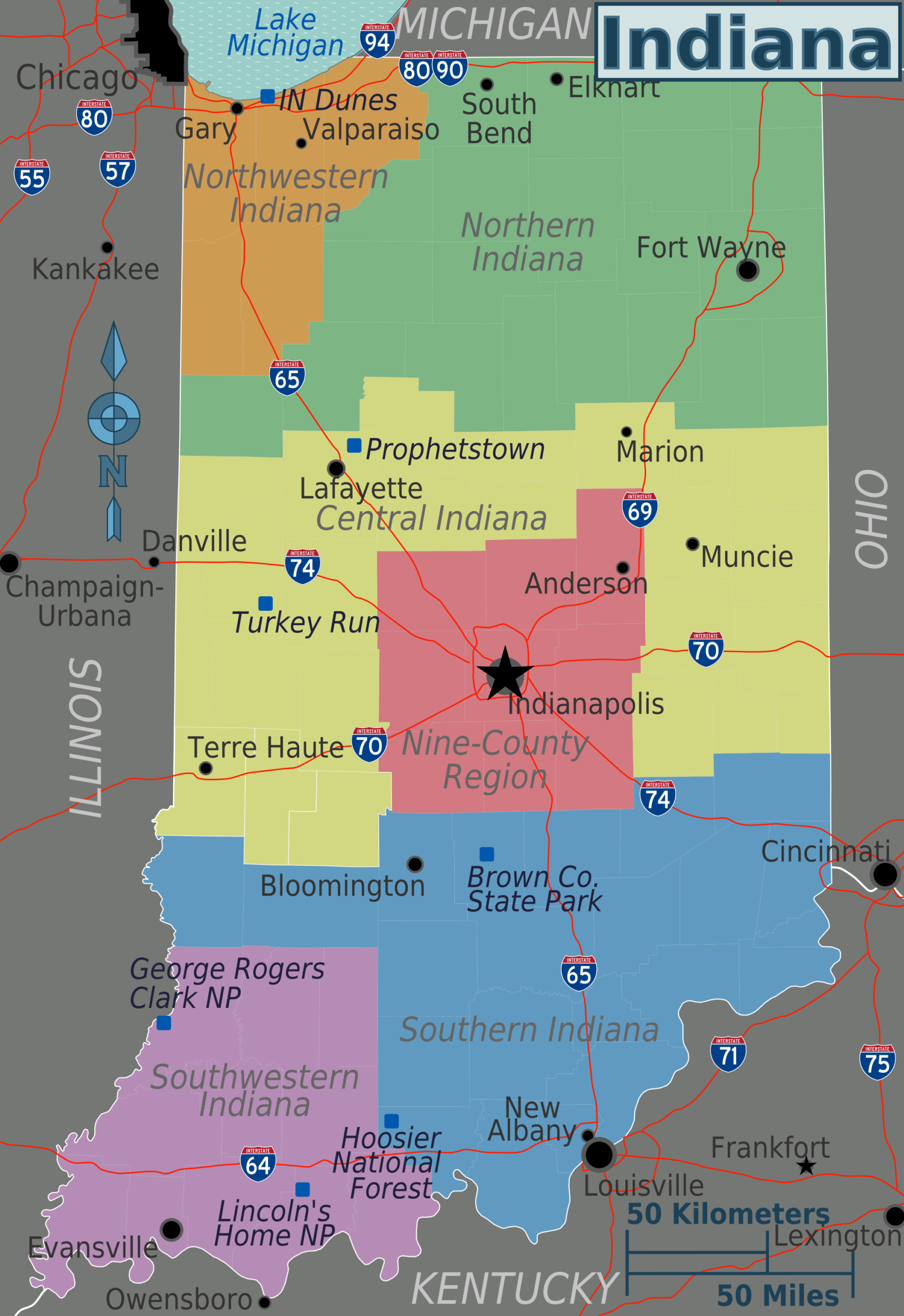
Indiana sits at the crossroads of America’s interstate highway system, with I-65, I-69, I-70, and I-74 all converging near Indianapolis. That makes the Hoosier State one of the busiest freight corridors in the country — and it also means new carriers face real exposure the moment they pull out of the yard. Indiana commercial trucking insurance isn’t just a box to check for compliance; it’s the financial backbone of your entire operation. One accident, one cargo claim, or one lawsuit without proper coverage can wipe out a brand-new business before it ever turns a profit.
For new companies, the stakes are even higher. You likely don’t have years of safety history, a strong CSA score, or a cushion of retained earnings to absorb a loss. That’s exactly why getting the right coverage in place before your first load is non-negotiable, not optional.
Federal and State Requirements for Indiana Commercial Trucking Insurance
Before you can legally operate, you need to understand the layers of regulation that shape Indiana commercial trucking insurance requirements. There are two main levels to keep straight: federal rules from the Federal Motor Carrier Safety Administration (FMCSA), and state-level requirements enforced through the Indiana Department of Revenue’s Motor Carrier Services division and the Indiana State Police.
Federal minimums. If you operate in interstate commerce, the FMCSA requires a minimum of $750,000 in combined single limit liability coverage for general freight. Haulers of hazardous materials, oil, or other high-risk cargo often need $1,000,000 to $5,000,000 in liability limits. These federal minimums are the floor, not the ceiling, for your policy — many shippers and brokers require higher limits before they’ll even let you haul a load.
State filings. New Indiana-based carriers also need to register with the Unified Carrier Registration (UCR) program, obtain a USDOT number, and — if operating under their own authority — file for MC authority. Once your authority is approved, your Indiana commercial trucking insurance provider will typically file your proof of insurance (Form BMC-91 or BMC-91X) directly with the FMCSA on your behalf. You’ll also want a BOC-3 filing, which designates a process agent in Indiana and every state you operate in.
IRP and IFTA. New trucking companies operating in Indiana also need to register their fleet under the International Registration Plan (IRP) and the International Fuel Tax Agreement (IFTA). While these aren’t insurance products themselves, your insurance agent should be able to point you toward the right resources or partners to get these filings squared away quickly, since lenders and brokers often ask for all of this documentation together.
Core Coverage Types Every New Trucking Company Should Understand
One of the biggest mistakes new operators make is assuming “trucking insurance” is a single, one-size-fits-all policy. In reality, Indiana commercial trucking insurance is built from several coverage types that work together. Here’s what you need to know about each one.
Primary Auto Liability Insurance
This is the coverage that satisfies your federal and state minimums, and it’s the foundation of any Indiana commercial trucking insurance policy. Primary liability pays for bodily injury and property damage you cause to others in an at-fault accident. Without it, you cannot legally operate under your own DOT authority in Indiana or anywhere else.
Physical Damage Coverage
Physical damage — made up of comprehensive and collision coverage — protects your own truck and trailer against accidents, theft, vandalism, fire, and weather events. Indiana winters can be brutal, with ice storms and lake-effect snow creating hazardous driving conditions on I-80/94 and I-65 through the northern part of the state. New owner-operators who financed their truck are almost always required by their lender to carry physical damage coverage as part of their overall coverage package.
Motor Truck Cargo Insurance
Cargo coverage protects the freight you’re hauling if it’s damaged, destroyed, or stolen while in your care, custody, and control. Most shippers and brokers won’t even offer you a load without proof of cargo insurance, making this a near-universal requirement within any Indiana-based trucking policy. Coverage limits typically start at $100,000, though certain commodities (electronics, pharmaceuticals, refrigerated goods) may require higher limits or specialized endorsements.
Non-Trucking Liability (Bobtail Insurance)
If you’re leased on to a motor carrier and don’t run under your own authority, you’ll need non-trucking liability rather than primary liability. This coverage protects you when you’re driving your truck for personal use or between dispatched loads — essentially “off the clock” from the carrier’s perspective. It’s one of the most commonly misunderstood pieces of Indiana commercial trucking insurance for drivers who are new to leasing on with an established company.
General Liability Insurance
General liability protects your business from claims that don’t involve your vehicles — think slip-and-fall accidents at a loading dock or property damage caused during freight handling. Many shippers and warehouses require proof of general liability before granting site access, so it’s worth adding to your overall policy even if it’s not federally mandated.
Workers’ Compensation
If you plan to hire drivers as employees (rather than working with owner-operators or independent contractors), Indiana law generally requires you to carry workers’ compensation insurance. This protects your business from liability if an employee is injured on the job and is a critical piece of a growing carrier’s overall Indiana commercial trucking insurance strategy.
Specialty Coverage for New Trucking Operations
Not every new carrier hauls the same freight, and your policy should reflect the equipment you actually run. Here’s a quick look at how coverage needs shift depending on the type of truck you’re putting on the road.
Box trucks. New operators running 16’–26′ straight trucks for local and regional deliveries need a policy built around primary liability, physical damage, and motor truck cargo, plus optional non-trucking liability if you’re leased onto another carrier’s authority.
Dump trucks. Because dump trucks spend so much time on construction sites, loading and unloading heavy material, a well-structured policy usually adds general liability and, in many cases, workers’ compensation on top of the standard liability and physical damage coverage.
Flatbeds. Open-deck freight like steel, lumber, and machinery faces more exposure to weather and shifting, so flatbed operators should ask about coverage for load securement in addition to standard cargo protection.
Fuel haulers. Transporting gasoline, diesel, or other petroleum products calls for higher liability limits, environmental and pollution liability, and specialized cargo coverage for hazardous commodities.
Garbage trucks. Waste collection vehicles deal with dense traffic and frequent stops, so a policy for this segment often includes workers’ compensation and pollution liability alongside standard auto coverage.
Hot shot trucking. Owner-operators running pickups and gooseneck trailers for time-sensitive loads need a policy built around liability, cargo, and general liability protection.
Tow trucks. Towing businesses carry unique exposure through on-hook coverage and garagekeepers liability, both of which protect customers’ vehicles while in your care.
Tractor-trailers. Long-haul and regional carriers running full-size rigs typically need higher liability limits, cargo coverage suited to the commodities hauled, and add-ons like trailer interchange coverage when pulling trailers you don’t own.
New companies should walk through their equipment list with their agent rather than accepting a generic quote, since the right combination of coverages varies from one truck type to the next.
What Drives the Cost of Indiana Commercial Trucking Insurance
New trucking companies are often surprised by the price of their first policy. Several factors determine what you’ll pay for Indiana commercial trucking insurance, and understanding them can help you budget realistically and even lower your premium over time.
- Years in business and safety history. New authorities typically pay more because they don’t yet have a track record. Expect premiums to be higher in your first 6–12 months, with the potential to decrease significantly once you build a clean safety record.
- Type of freight hauled. Hauling general dry van freight is generally less expensive to insure than hazardous materials, high-value electronics, or oversized loads.
- Radius of operation. Local and regional carriers operating within a smaller radius of Indianapolis often pay less than long-haul carriers running coast to coast, since exposure and time on the road factor heavily into your final premium.
- Driver experience. Carriers with experienced CDL holders behind the wheel typically receive better rates than those staffing newly licensed drivers.
- Equipment age and value. Newer trucks and trailers cost more to insure for physical damage but may qualify for better safety-related discounts.
- Coverage limits and deductibles. Higher liability limits and lower deductibles increase your premium, while adjusting these levers can help new companies manage cash flow during their first year.
- Claims history. Even a short claims history can influence renewal pricing, which is why safety training and dash cams are increasingly common cost-control tools among Indiana carriers.
Because so many variables affect pricing, it pays to work with an agent who shops multiple carriers on your behalf rather than presenting a single quote. A knowledgeable broker specializing in Indiana commercial trucking insurance can compare rates across dozens of insurers to find coverage that fits both your compliance needs and your budget.
Common Mistakes New Trucking Companies Make When Buying Insurance
After helping countless new carriers get set up, a few patterns show up again and again. Avoiding these mistakes can save you real money and real headaches.
- Waiting until the last minute. Insurance filings with the FMCSA can take time to process. Applying for Indiana commercial trucking insurance only after your MC authority is approved often delays your ability to book your first load.
- Underinsuring cargo. Choosing the state minimum cargo limit to save a few dollars a month can backfire badly if you haul a high-value load and suffer a total loss.
- Not disclosing operations accurately. Misrepresenting your radius of operation, commodities hauled, or number of drivers can lead to a denied claim down the road. Honesty with your insurance provider protects you when it matters most. Skipping non-trucking liability. Owner-operators leased onto a carrier sometimes assume the carrier’s policy covers them at all times — it doesn’t, and gaps here are a leading cause of claims disputes.
- Choosing price over service. The cheapest policy isn’t always the best value. A slightly higher premium from a responsive Indiana commercial trucking insurance agency that can issue certificates instantly and answer questions 24/7 is often worth far more than saving a few dollars a month.
- Ignoring DOT compliance support. Some agencies only sell policies; others also help with BOC-3 filings, UCR registration, and general compliance questions. New companies benefit enormously from the latter.
How to Choose the Right Indiana Commercial Trucking Insurance Provider
Not every agency understands the nuances of the trucking industry, so it’s worth being selective. Here’s what to look for when comparing providers of Indiana commercial trucking insurance.
Local knowledge. An agency based in Indiana, familiar with Indianapolis freight lanes, Marion County regulations, and the realities of driving through Central Indiana winters, will be better positioned to advise you than a national call center with no regional expertise.
Access to multiple carriers. The best trucking insurance agencies in Indiana work with a wide network of top-rated insurance companies rather than representing just one. This allows them to shop your risk profile across the market and find the most competitive combination of price and coverage.
Fast certificate turnaround. In trucking, time is money. If a broker or shipper needs a certificate of insurance (COI) before you can pick up a load, waiting days for your agent to respond isn’t acceptable. Look for a provider offering instant COI access or 24/7 support.
Specialty experience. Whether you’re running a box truck, a dump truck, a flatbed, a tanker, or a tractor-trailer, your risks are different from a general freight hauler’s. A provider with deep experience across truck types can tailor your Indiana commercial trucking insurance policy to your specific operation rather than offering a generic package.
Ongoing support, not just a sale. Your insurance needs will change as your business grows — adding drivers, trucks, or new commodities. A good agency treats your policy as a relationship, checking in at renewal and helping you adjust coverage as your fleet expands.
A Step-by-Step Checklist for New Trucking Companies in Indiana
If you’re just getting started, here’s a simplified roadmap for putting your Indiana commercial trucking insurance and compliance pieces together in the right order.
- Register your business entity (LLC or corporation) with the Indiana Secretary of State.
- Apply for your USDOT number and MC authority through the FMCSA’s Unified Registration System.
- Get quotes for Indiana commercial trucking insurance while your authority is processing, so coverage is ready the moment you’re approved.
- File your BOC-3 designating a process agent in Indiana and any other states you’ll operate in.
- Have your insurance provider submit proof of financial responsibility (BMC-91 or BMC-91X) to the FMCSA.
- Register for IRP and IFTA if you’ll be running interstate.
- Complete your UCR registration for the current year.
- Bind your policy and request your certificate of insurance so you’re ready to accept your first load.
- Set up ongoing compliance tracking — insurance renewal dates, IFTA filings, and IRP renewals — so nothing lapses as your business grows.
Following this order helps new companies avoid the common trap of having their authority approved before their coverage is actually bound, which can delay your very first paycheck by days or weeks.
Indiana-Specific Considerations New Carriers Should Know
Indiana’s central location means many new carriers here run regional freight through Ohio, Illinois, Kentucky, and Michigan in addition to intrastate hauls around Indianapolis. If your operation crosses state lines regularly, make sure your Indiana commercial trucking insurance policy is structured for interstate operating authority rather than intrastate-only coverage, since the two have different filing requirements.
Weather is another factor unique to the region. Lake-effect snow in the northern counties, sudden ice storms across Central Indiana, and heavy spring rain along the Ohio River Valley all increase accident risk during certain months. Carriers who build defensive driving training and telematics into their safety programs often see long-term savings on their overall premiums, since fewer claims translate directly into better renewal pricing.
Finally, Indianapolis itself is a major logistics hub, home to numerous distribution centers and a significant intermodal rail presence. New companies operating in and around the city should expect more urban driving exposure — tighter turns, higher traffic density, and more loading dock incidents — all of which your agent should factor into your Indiana commercial trucking insurance recommendations.
Frequently Asked Questions About Indiana Commercial Trucking Insurance
How much does Indiana commercial trucking insurance cost for a new company? Costs vary widely based on the factors discussed above, but new authorities in Indiana typically see higher introductory premiums until they establish a safety record. Getting multiple quotes is the best way to understand your specific cost range.
Can I get Indiana commercial trucking insurance before my MC authority is approved? Yes, and it’s actually recommended. Securing a quote and having your policy ready to bind means you won’t lose time once your authority clears.
Do I need separate cargo insurance, or is it included in liability coverage? Cargo insurance is separate from liability coverage. Both are typically bundled together as part of a complete policy, but they protect different things — liability covers others, cargo covers the freight you’re hauling.
What happens if I let my Indiana commercial trucking insurance lapse? A lapse can result in your operating authority being placed out of service by the FMCSA, and it can make it significantly harder — and more expensive — to get new coverage in the future.
Is non-trucking liability required in Indiana? It’s not federally mandated the same way primary liability is, but most carriers you lease onto will require it, and it’s essential protection for time spent off-dispatch.
Final Thoughts: Building Your Trucking Business on a Solid Foundation
Launching a new trucking company is a major achievement, and getting your Indiana commercial trucking insurance right from the start sets the tone for everything that follows. The right coverage protects your equipment, your cargo, your drivers, and your bottom line, while also keeping you compliant with the federal and state regulations that govern the industry. Rather than treating insurance as an afterthought, treat it as one of the first strategic decisions you make as a new operator.
Working with a local, experienced agency that understands both the trucking industry and the specific realities of operating in Indiana can make the difference between a smooth launch and a stressful one. From primary liability and cargo coverage to non-trucking liability and DOT compliance support, a knowledgeable partner will help you build an Indiana commercial trucking insurance package tailored to your equipment, your freight, and your growth plans.
If you’re a new company or owner-operator getting ready to hit the road, reach out to a trucking-focused insurance agency serving Indianapolis and Central Indiana. Ask about multiple-carrier shopping, instant certificates of insurance, and 24/7 support — the kind of service that helps new businesses grow with confidence instead of getting bogged down in paperwork. With the right Indiana commercial trucking insurance in place, you can focus on what matters most: building a safe, profitable, and compliant trucking business in the Hoosier State.

Leave a Reply